Williamson, GA
Home Loans in Williamson, Explained Plainly
We help you pick a home loan and know exactly what you are signing. That covers purchase loans, VA, FHA and USDA loans, refinancing, and home equity loans for buyers and owners in Williamson, Griffin and Hampton. You get the options side by side, in everyday words, before anything is final.
- Free mortgage consultation
- Every fee explained
- Office, phone or video
- No pressure to apply


About Home Loans Williamson
We are a mortgage company working with buyers and owners in Williamson and the towns around it. Our clients include first-time buyers, veterans, retirees, people refinancing and real estate investors. Each of them needs something different from a loan.
What they have in common is that most did not get a clear explanation the last time. So that is how we run things. We use everyday words, we show the math, and we answer the question you actually asked. If a term on your paperwork does not make sense, we stop and go over it until it does.
Mortgage Options We Work With
For buyers, we offer home purchase loans and first-time homebuyer loans, plus government-backed VA, FHA and USDA loans. If you already own, we can help with a mortgage refinance, a cash-out refinance, home equity loans and HELOCs, or a reverse mortgage if you are an older borrower who qualifies. We also arrange conventional and jumbo loans, non-QM loans that suit borrowers with self-employed or uneven income, and investment property and DSCR loans for rental buyers. Every option has a page of its own explaining who it is for and what it costs over the life of the loan.
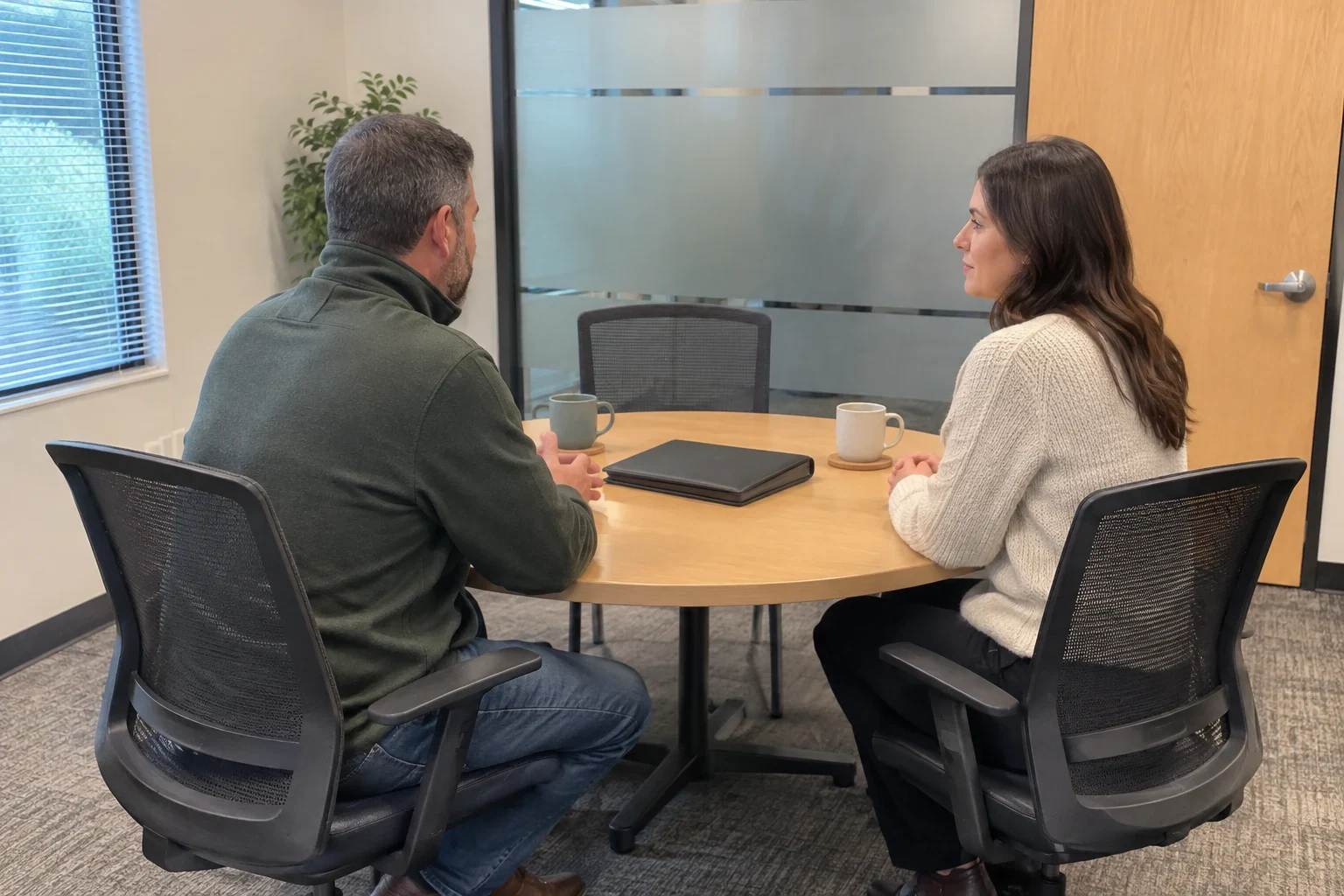
Cash-Out Refinance
Replace your mortgage with a larger one and take the difference in cash, with the limits, costs and break-even point laid out before you sign.

Home Purchase Loans
Buying a place to live? We walk you through pre-approval, loan choices, and closing costs so you know what you are signing before you make an offer.
VA Loans
For veterans, service members and eligible surviving spouses: a VA loan can mean no down payment and no monthly mortgage insurance. We walk you through how it works.
FHA Loans
FHA loans let you buy with as little as 3.5 percent down and fair credit. We explain the mortgage insurance and appraisal rules before you commit.
Non-QM Loans
Mortgages that qualify you on bank statements, assets or other real proof of income when tax returns don't show what you actually earn.
Mortgage Refinance
Swap your current mortgage for one with a better rate, a shorter term or a fixed payment, with the costs and break-even point laid out first.
First-Time Homebuyer Loans
Buying for the first time? We explain FHA, conventional, VA and USDA options, down payment help and pre-approval in plain words before you shop.
Reverse Mortgages
For borrowers 62 and older who want to turn equity into cash or income without a monthly mortgage payment, with every rule and cost laid out before you sign.
USDA Loans
A no-down-payment mortgage for buyers in eligible rural and small-town areas, if your income fits the local limit and you will live in the property.
Home Equity Loans & HELOCs
Borrow against the equity you have built without touching your first mortgage, as one lump sum or a line of credit you draw from as needed.
Conventional & Jumbo Loans
Learn how conventional and jumbo mortgages work, what each one asks of you, and which fits the price of the property you want.
Investment Property & DSCR Loans
Loans for rentals and other investment property, including DSCR loans that look at what the property rents for instead of your tax returns.
The Steps Between Your First Call and Closing Day
Nearly every loan goes through the same stages. When you know them in advance, the waiting is a lot easier.
- 1
Free consultation
We go over your goal, a rough budget and when you need to move. By the end, you know which loan types deserve a closer look.
- 2
Pre-approval
You send recent pay stubs, tax returns and bank statements, and give us the okay to check credit. After we review them, you get a pre-approval letter to send with your offer.
- 3
Application and appraisal
When you have a signed contract or decide to refinance, we lock your rate at the point you choose and order the appraisal. The appraiser checks that the property is worth enough to support the loan.
- 4
Underwriting
An underwriter reviews the whole file and may want an explanation letter or a newer statement. We tell you what they asked for and the reason behind it.
- 5
Closing
Your Closing Disclosure arrives at least three business days ahead of closing. We sit down and match it against your Loan Estimate, then you sign and walk away with the keys or the funds.

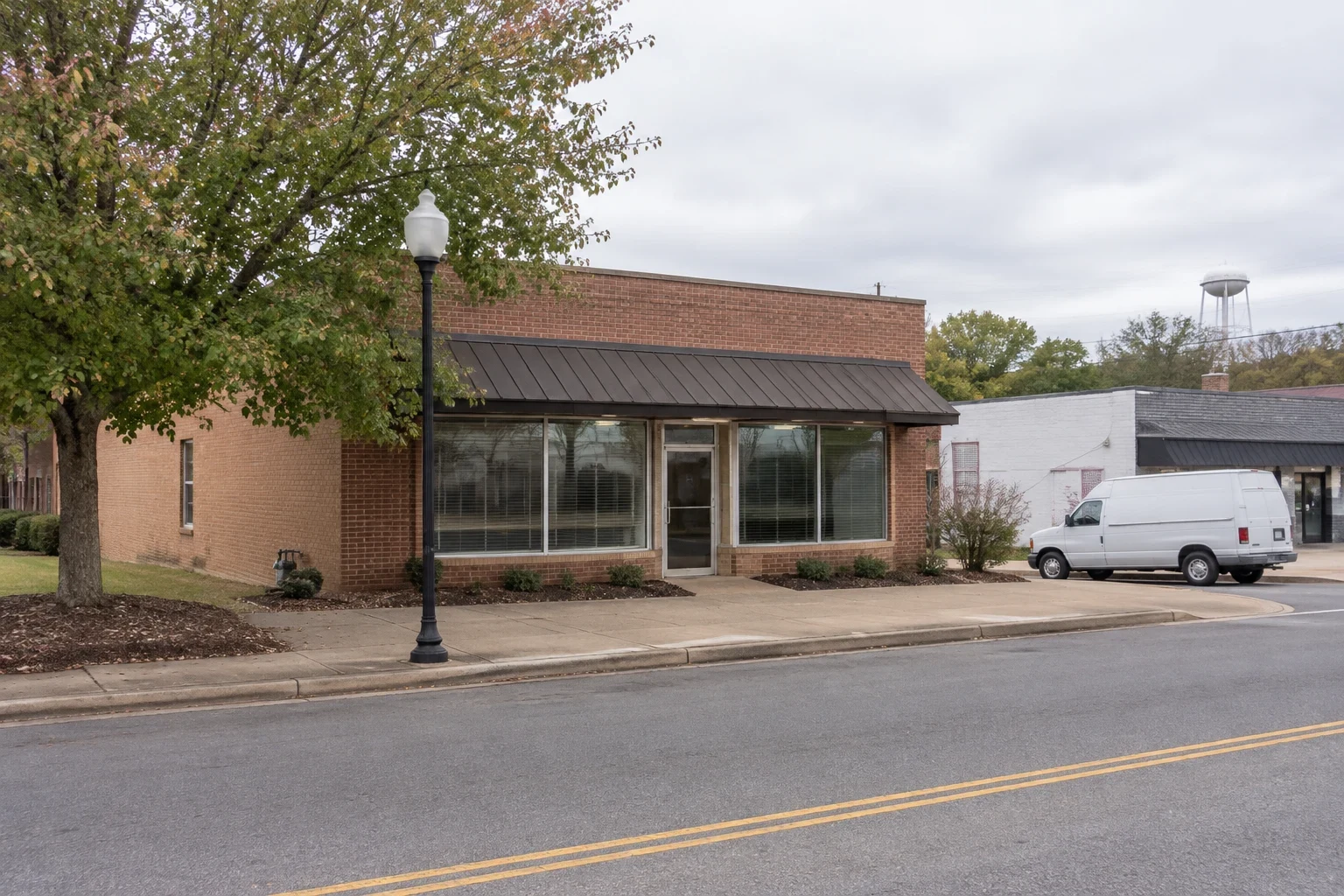
How We Work With You
A mortgage runs for years and uses terms most people only read a handful of times. We make each of those terms clear to you.
- We explain before we ask
- The first call is about your goal and the loans that might fit it. We tell you what each one means in plain words. You are never asked to apply before it makes sense to you.
- Side-by-side comparisons
- If two loans could work, we put them next to each other. Rate, monthly payment, cash to close and total interest sit on one page, so you can weigh the trade-off yourself.
- Every fee named
- Your Loan Estimate shows lender fees, title charges and prepaid taxes and insurance. We go through every line and point out which costs you can shop around for and which are fixed.
- Honest about fit
- Now is not always the right time. You might do better after lowering a card balance or building up your down payment savings. When that is true, we tell you plainly and give you a short list of what to work on.
- Meet the way you like
- Come to our office, or do it all by phone and video. You can share documents securely, and asking the same question twice is fine with us.
Where We Help Borrowers
Our clients live and buy in Williamson and the area around it, including Griffin, Experiment, Hampton, Barnesville and Senoia. We also work with people in Heron Bay and Hannahs Mill. Some properties outside the bigger towns may sit inside USDA eligible areas, and we can check a specific address before you write an offer.
- Williamson
- Griffin
- Experiment
- Hampton
- Barnesville
- Senoia
- Heron Bay
- Hannahs Mill
Meet us at our office, or handle every step by phone or video, so the distance from Williamson never holds up your loan. Each town has more detail on the Service Areas page.
What Moves Your Rate and Closing Costs
Two people can ask for the same loan and get different quotes. That is normal. A lender prices each loan on risk and on the facts of the deal. Here is what really changes your numbers, so nothing on a quote surprises you.
After we talk and review your numbers, you get a written Loan Estimate with the rate and every cost listed line by line. We price from your actual file, not a guess, so that comes once we have seen it.
- Credit score and history
- Higher scores tend to earn better rates. Recent late payments and cards near their limits can push the price up. We can show you which changes would help you most.
- Down payment or equity
- A bigger down payment, or a larger equity stake when you refinance, lowers the lender's risk and often your price. On a conventional loan, less than 20 percent down usually adds mortgage insurance, which can come off later as your equity builds.
- Loan type and term
- VA, FHA, USDA and conventional loans each carry their own pricing and fees. A 15-year loan often has a lower rate than a 30-year one, but the monthly payment is larger.
- How the property will be used
- Lenders save their best pricing for a property you will live in yourself. A rental or vacation property usually costs more to finance. Condos, manufactured housing and two-to-four unit buildings may come with extra pricing rules.
- Points and when you lock
- Paying points at closing lowers the rate. Skipping them keeps upfront cost down but leaves the rate higher. Rates move every day, so the day you lock matters too.
- Taxes, insurance and prepaids
- Cash to close includes property taxes, the property insurance premium and the first escrow deposit. Those amounts are set by the county, your insurance company and the closing date, not by us.
Mortgage Questions We Hear Most
How much money should I plan to put down?
It depends on the loan. If you qualify for a VA or USDA loan, you may be able to put nothing down. FHA loans can go as low as 3.5 percent down, and some conventional programs allow 3 percent for first-time buyers. Closing costs come on top of that, and we estimate them for you at the start.
What credit score do I need for a home loan?
Each program sets its own minimum, and FHA is usually the most forgiving. A lower score more often leads to a higher rate than a flat no. In a free consultation we can see where you stand and which programs are within reach.
What is the difference between pre-qualification and pre-approval?
Pre-qualification is a rough number based on what you tell us. Pre-approval goes further: we pull your credit and review your pay stubs, tax returns and bank statements. Agents and sellers put much more weight on a pre-approval, so get one before you start making offers.
What are closing costs, and who pays them?
Closing costs are the charges for making the loan and transferring the property. They cover lender fees, the appraisal, title work, recording fees, and prepaid taxes and insurance. Buyers usually pay most of them, though a seller can agree to cover part. Your Loan Estimate lists each charge so you know the total before you commit.
How long does it take to close?
Many purchase loans close in about a month, and refinances often take a similar amount of time. The biggest factors are how quickly your documents come in and when the appraisal is finished. We give you a realistic timeline at the start and keep you posted as each step wraps up.
Does refinancing make sense for me?
It might, if it lowers your rate enough to earn back the closing costs, drops mortgage insurance, shortens your term or frees up equity for a clear purpose. We figure out the break-even point, which is how many months of savings it takes to cover the costs. If you plan to sell before then, we will tell you to pass.
Is the consultation really free?
Yes. It costs nothing, and you are under no obligation to apply afterward. If now is not a good time to talk, you can ask for a scheduled callback with a loan officer instead.
Talk Through Your Loan Options
Share your goal and a rough budget. We will lay out the loans that fit in everyday words, with no pressure to apply.